
✦01
Define the decision
We confirm the project stage, stakeholders, technical question, available data, and the decision the work must support.
Power-system studies, grid interconnection, protection, and electrical design support for utilities, developers, EPCs, and infrastructure teams working across Australia and Great Britain.
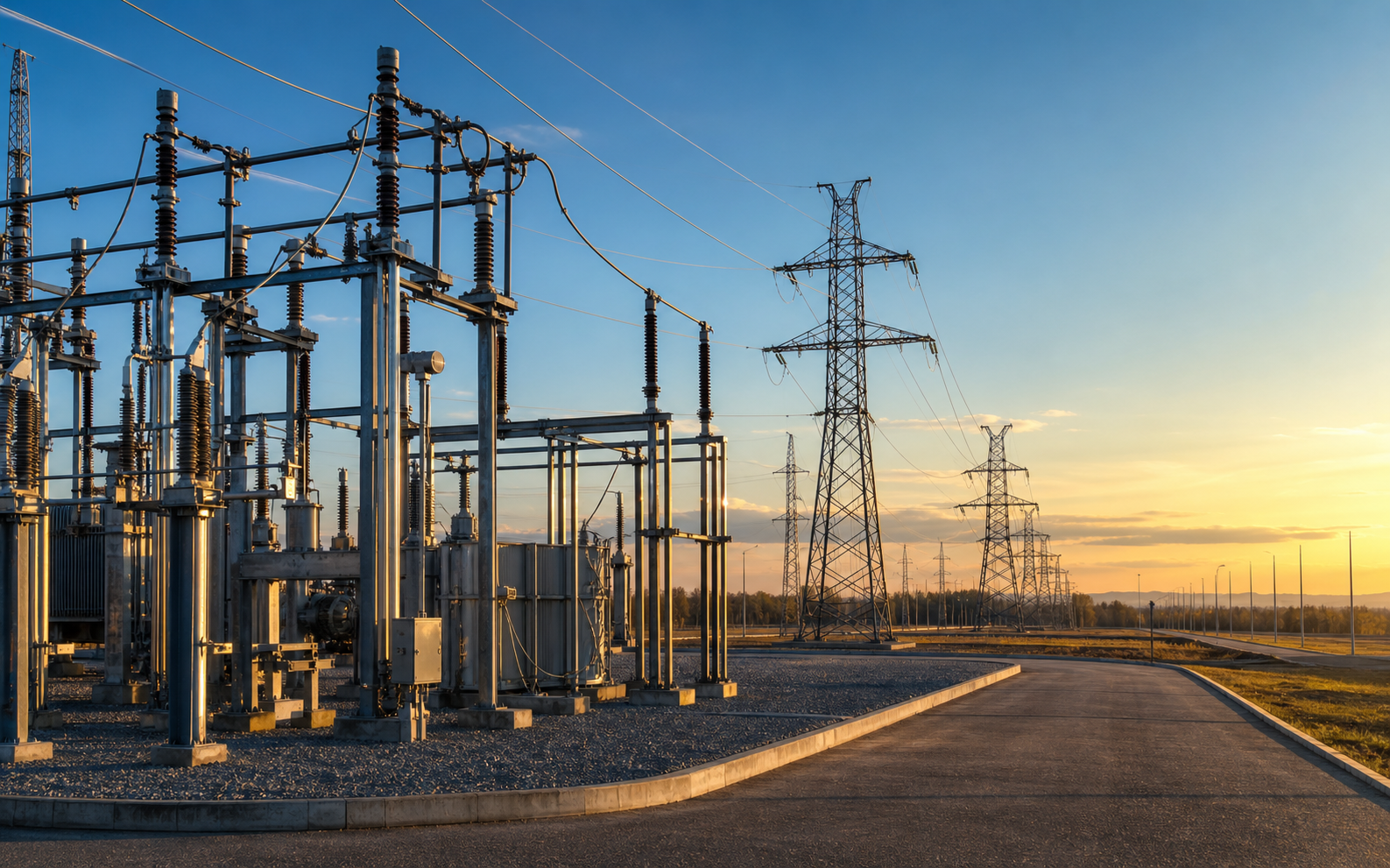
eGridSync helps developers, utilities, EPCs, and infrastructure owners make reliable power-system decisions—from interconnection and protection to compliance and design.
Senior expertise, directly involvedExperienced engineers stay close to the work and the decision.
Clear, defensible engineeringDocumented assumptions, risks, and recommendations keep every stakeholder aligned.
Built around project realityWe balance grid requirements, equipment, constructability, and commercial priorities.
Study, interconnection, protection, substation, BESS, and technical advisory services for complex energy infrastructure.

Electrical system design for utility, industrial, and commercial facilities, from concept through issued-for-construction documentation.
Explore capability ↗
Physical and electrical substation design for utility, industrial, and renewable interconnection projects — engineered for constructability, not just compliance.
Explore capability ↗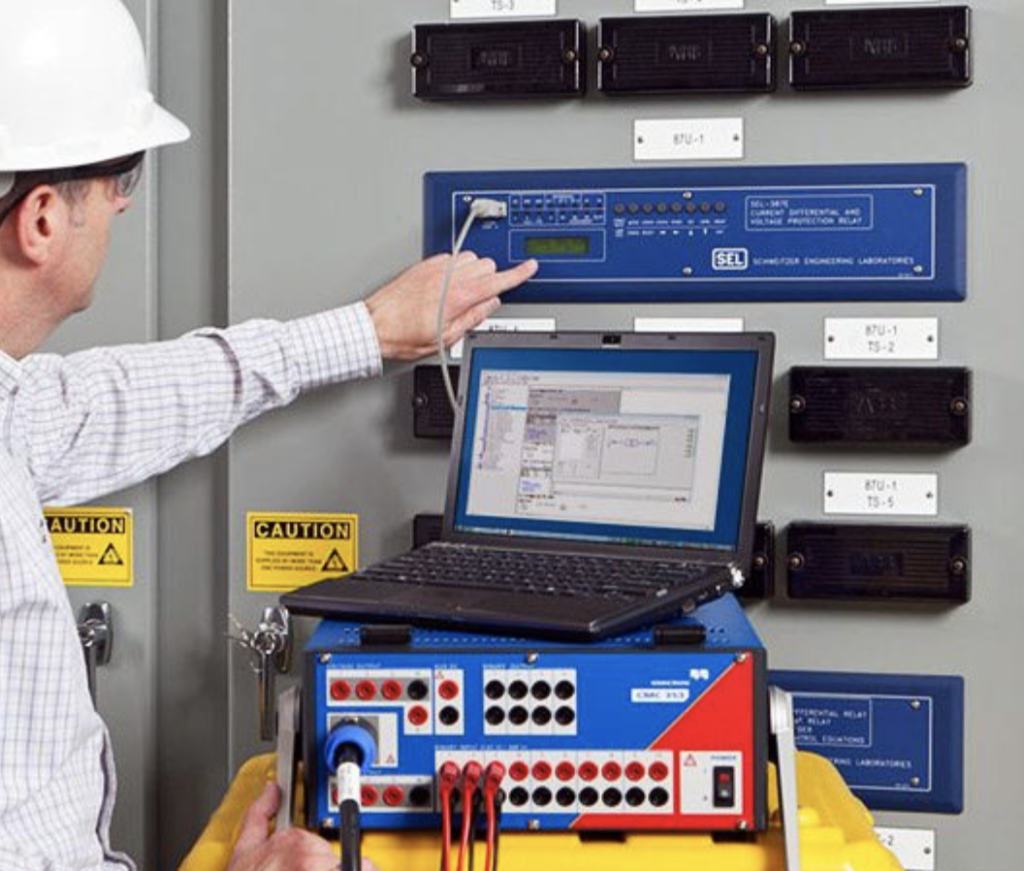
Relay setting design, protection coordination, and SCADA integration engineered for selectivity, speed, and compliance.
Explore capability ↗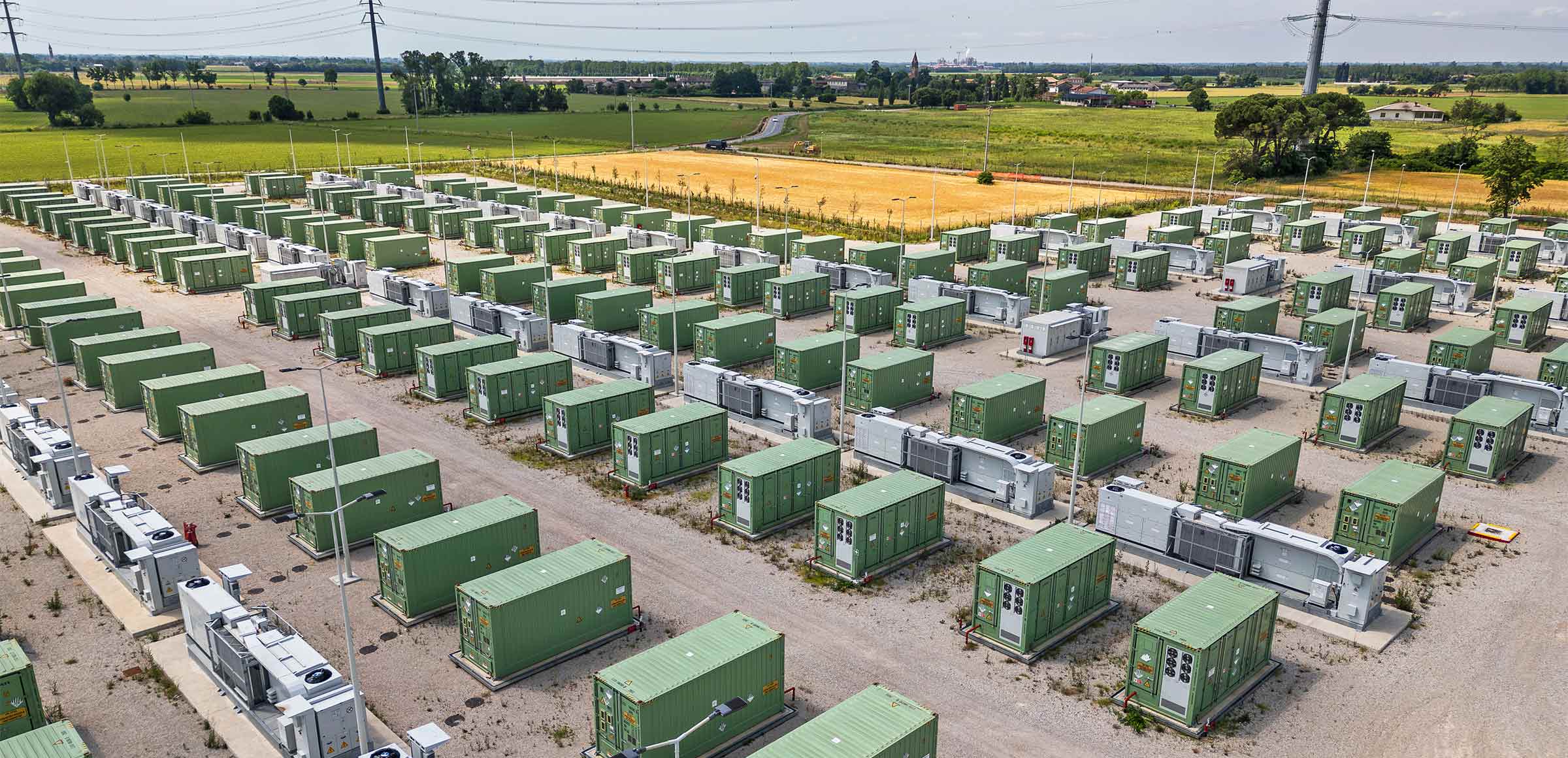
Electrical design for solar PV and battery energy storage systems, from DC/AC architecture through interconnection-ready documentation.
Explore capability ↗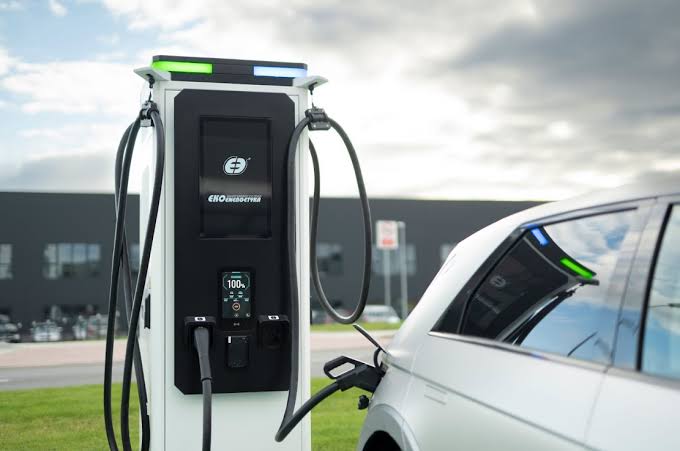
Engineering for EV charging and distributed energy resources, including load, protection, and grid integration.
Explore capability ↗
Custom solar design packages supporting permitting, interconnection, constructability, and safe operation.
Explore capability ↗
Owner’s engineer and technical advisory support for developers and utilities who need an independent, expert review through design, procurement, and commissioning.
Explore capability ↗Trusted analysis and design platforms, applied by engineers who understand the system behind the model.










Representative work across renewable integration, interconnection, and critical grid modernization.

Representative study scope covering steady-state, contingency, and dynamic performance questions for an inverter-based resource.

Representative interconnection scope covering load flow, short-circuit, reactive capability, and model review.

Representative protection, control, design coordination, and staged delivery scope for grid infrastructure.
From technical question to confident decision, every engagement is structured for clarity, traceability, and momentum.
We define the decision, build the right model, test the result, and deliver practical engineering support.
Discuss your project ↗We confirm the project stage, stakeholders, technical question, available data, and the decision the work must support.
Our engineers validate inputs, document assumptions, and select the study method and software that fit the network.
We test credible operating conditions, identify constraints, and review results through a practical engineering lens.
You receive traceable findings, decision-ready recommendations, and responsive support through review and implementation.
We support utility comments, coordination meetings, model updates, drawing revisions, and the technical path to approval or commissioning.
We bring specialist power systems expertise to the sectors where reliability, resilience, and speed matter most.
View all industries ↗Transmission planning, reliability compliance, protection, and capital-program support.
Bankable interconnection, modeling, and grid-code services for solar, wind, and BESS.
Utility interface, resilience, load studies, and critical electrical infrastructure.
Power quality, arc flash, protection, and system-expansion engineering.
Each engagement is shaped around the technical decision, available data, applicable requirements, and the stakeholders who must review the result.
Start with the project decision, available data, and applicable requirements.
Build a documented model with assumptions that the project team can review.
Deliver traceable findings and practical next steps for the next project decision.
Senior power-system expertise, utility-aware delivery, and clear technical recommendations from the first model review through final stakeholder response.
Share your project requirements. An engineering specialist will review the likely scope, deliverables, and next practical step.
Clear answers about study scope, inputs, tools, deliverables, and technical support.
Talk to an engineer ↗We support load flow, contingency, short-circuit, dynamic and transient stability, harmonic, power quality, protection coordination, and grid connection studies.
Yes. We support solar, wind, BESS, and other inverter-based resources with modelling, interconnection assessment, grid-code review, and utility submission support.
A useful starting package usually includes the single-line diagram, project capacity, equipment data, point of connection, network data, protection information, and applicable utility requirements.
The modelling environment depends on the utility, grid code, and project stage. Our listed tools include PSS/E, PSCAD, ETAP, DIgSILENT, SEL, EasyPower, SKM, and CYME.
Typical deliverables include documented assumptions, a data-gap register, model files and validation notes, study outputs, technical reports, recommendations, and submission support where required.
Early involvement helps identify data gaps, connection risks, modelling requirements, and the right study sequence before design or submission milestones.
Yes. We prepare technical reports, respond to review comments, clarify assumptions, update models, and support coordination with utility and grid-code stakeholders.
Yes. We can review model quality, assumptions, study methodology, results, and reporting, then identify gaps or practical next steps.
Yes. We provide design review, protection and control support, construction documentation, technical coordination, and commissioning assistance.
GridSync supports project teams working across Australia and Great Britain. Requirements and deliverables are aligned to the applicable network operator, connection process, regulatory framework, and project scope.
Where sealed documents are required, the scope review confirms the applicable state, discipline, deliverable, and licensing requirements before work begins.
Timing depends on system complexity, data quality, utility requirements, and review cycles. A scope review establishes the study sequence, required inputs, deliverables, and a practical schedule.
Send the project type, location or market, capacity, point of connection, target date, and any available single-line diagram or model information.

The technical inputs that reduce data gaps, model rework, and avoidable utility review cycles.
Read article →
How calculations, procedures, ownership, and change control work together in a defensible evidence package.
Read article →
Common system changes that can invalidate incident-energy results, labels, and PPE guidance.
Read article →