Grid integration
Reactive capability at the POI, plant controller strategy, and ride-through performance that matches what was committed in the interconnection study.
Review this service area →Collection system, protection, and grid integration design for utility-scale solar and battery storage — with applicable NFPA 855 requirements and UL 9540A test-data considerations addressed early.
Collection system, protection, and grid integration design for utility-scale solar and battery storage — with applicable NFPA 855 requirements and UL 9540A test-data considerations addressed early.
Reactive capability at the POI, plant controller strategy, and ride-through performance that matches what was committed in the interconnection study.
Review this service area →
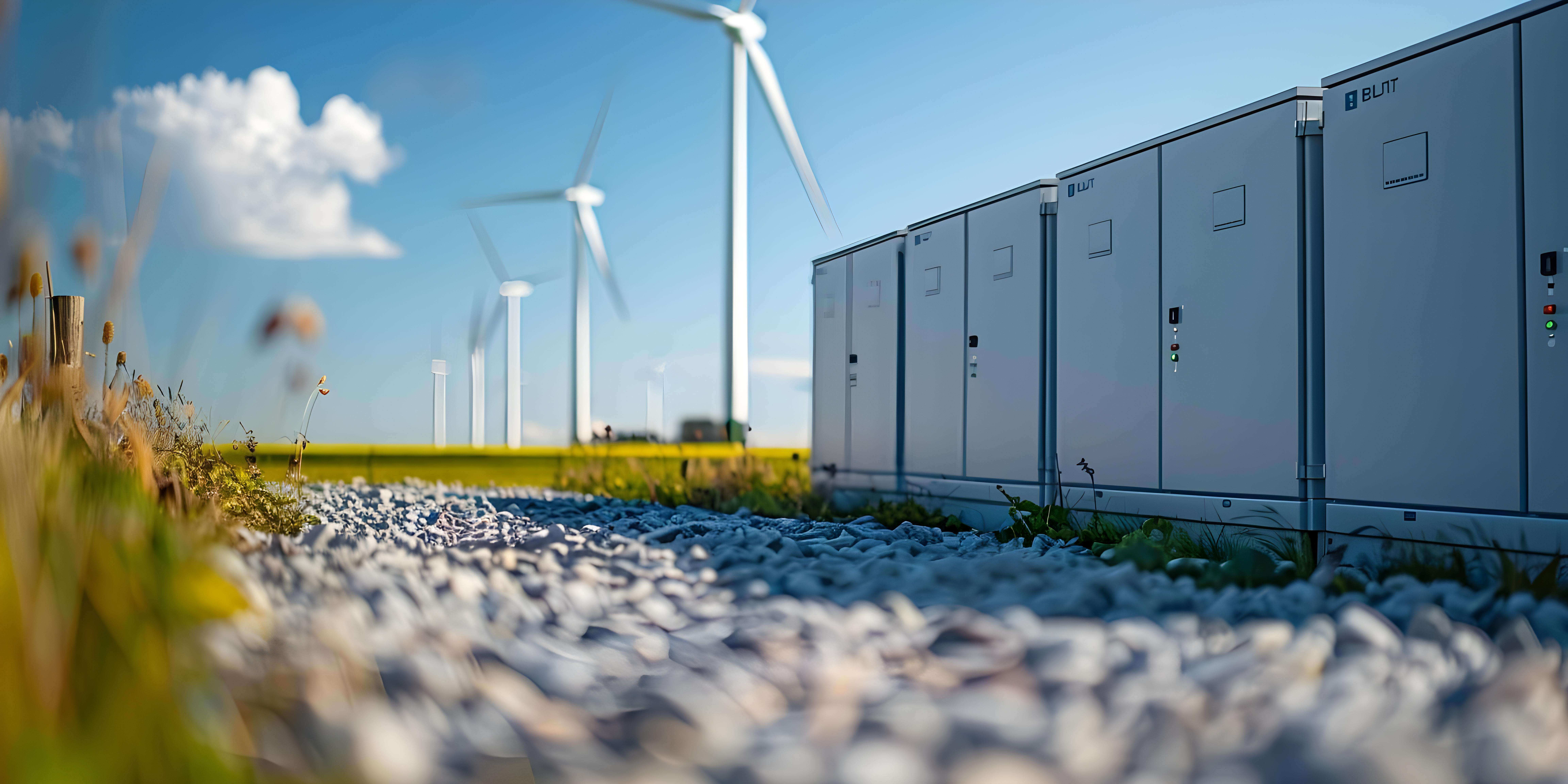
Applicable NFPA 855 requirements, hazard mitigation, gas detection, ventilation, and suppression interfaces are addressed with the relevant authority during design.
Review this service area →
Conductor sizing, feeder layout, and loss optimisation.
Review this service area →The best BESS design resolves spacing, suppression, and grid integration before the layout is frozen.
How our engineers work →Reactive capability at the POI, plant controller strategy, and ride-through performance that matches what was committed in the interconnection study.
Applicable NFPA 855 requirements, hazard mitigation, gas detection, ventilation, and suppression interfaces are addressed with the relevant authority during design.
Conductor sizing, feeder layout, and loss optimisation.
Trusted analysis and design platforms, applied by engineers who understand the system behind the model.










Collection system, protection, and grid integration design for utility-scale solar and battery storage — with applicable NFPA 855 requirements and UL 9540A test-data considerations addressed early.
The applicable code edition, authority expectations, and UL 9540A test-data considerations for the selected product.
Where required, prepared by a PE with BESS experience.
Feeder layout, conductor sizing, grounding, protection scheme, and coordination.
Plant controller, reactive strategy, and verification against the interconnection commitments.
Submittal review, field changes, and functional testing.
The most consequential change is the emphasis on large-scale fire testing. New Annex G.11 addresses fire spreading from one BESS unit to another.
No. UL 9540 is a product listing. UL 9540A is a test method that evaluates thermal runaway fire propagation.
Early coordination helps align spacing, suppression, gas detection, site layout, collection design, and interconnection interfaces.
The scope and responsible party for hazard mitigation analysis are confirmed for the specific project.
Yes, and co-located solar-plus-storage is now the common case rather than the exception.
Site plan and survey, selected inverter and BESS product datasheets, point-of-interconnection information, available study commitments, soil resistivity data, and the applicable project jurisdiction.