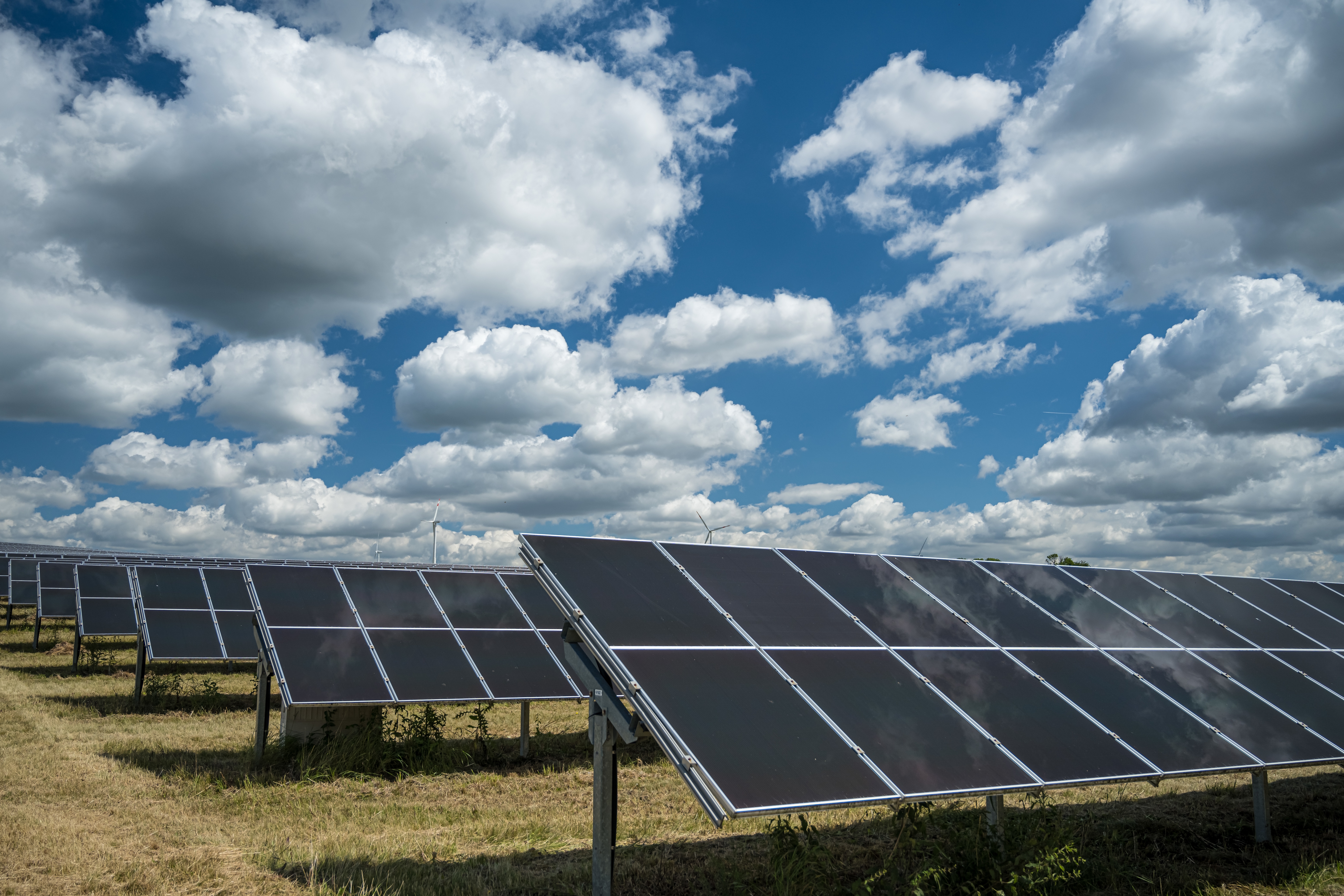

Base-case voltage and loading
Establish voltage profiles, equipment utilization, losses, and reactive-power performance under normal operating conditions.
Review this service area →Voltage, loading, losses, contingencies, and mitigation—an engineering assessment built for utilities, developers, EPCs, and infrastructure teams that need a defensible path forward.
Voltage, loading, losses, contingencies, and mitigation—an engineering assessment built for utilities, developers, EPCs, and infrastructure teams that need a defensible path forward.
Establish voltage profiles, equipment utilization, losses, and reactive-power performance under normal operating conditions.
Review this service area →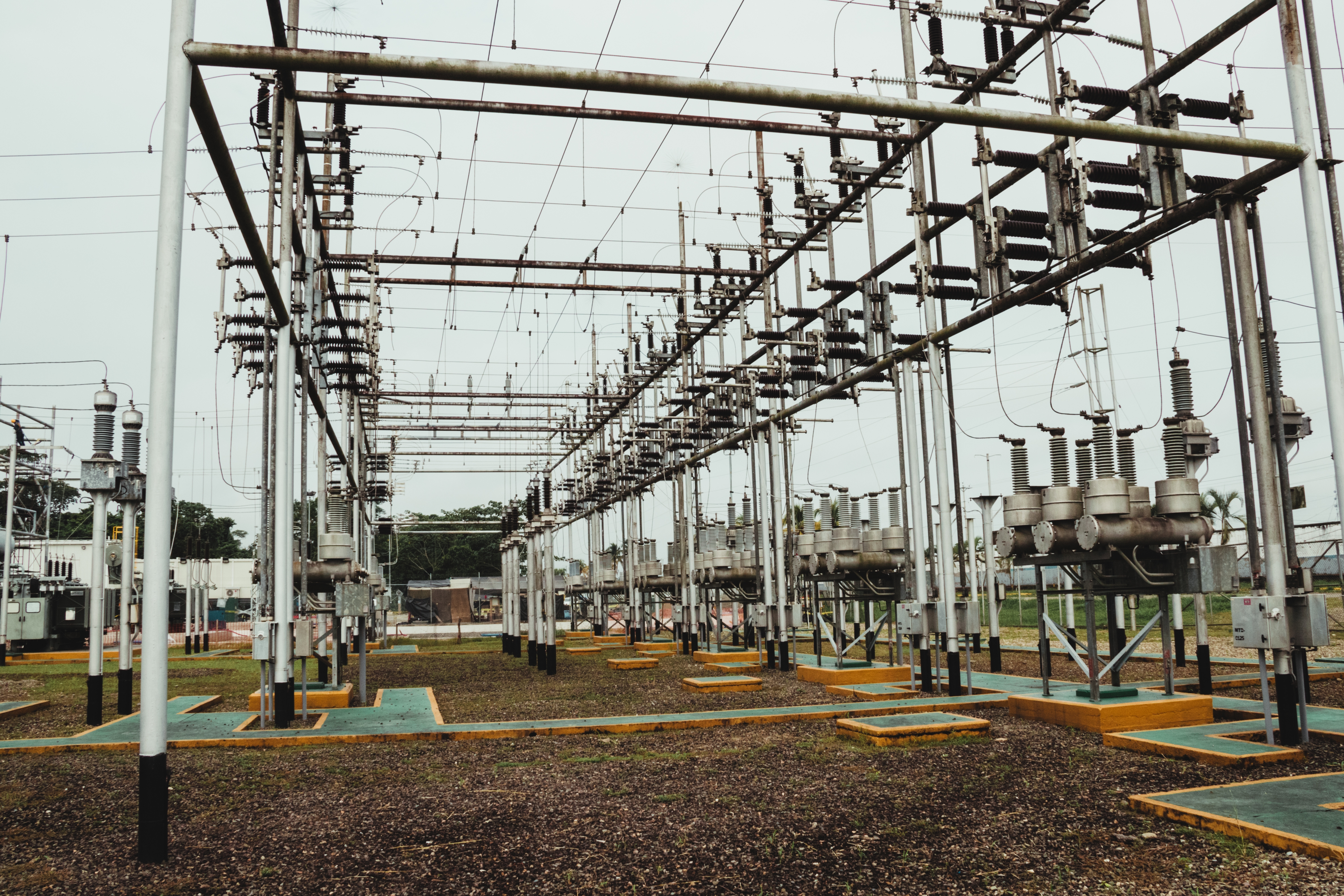
Test credible line, transformer, and generation outages to expose thermal, voltage, and reliable-transfer limitations.
Review this service area →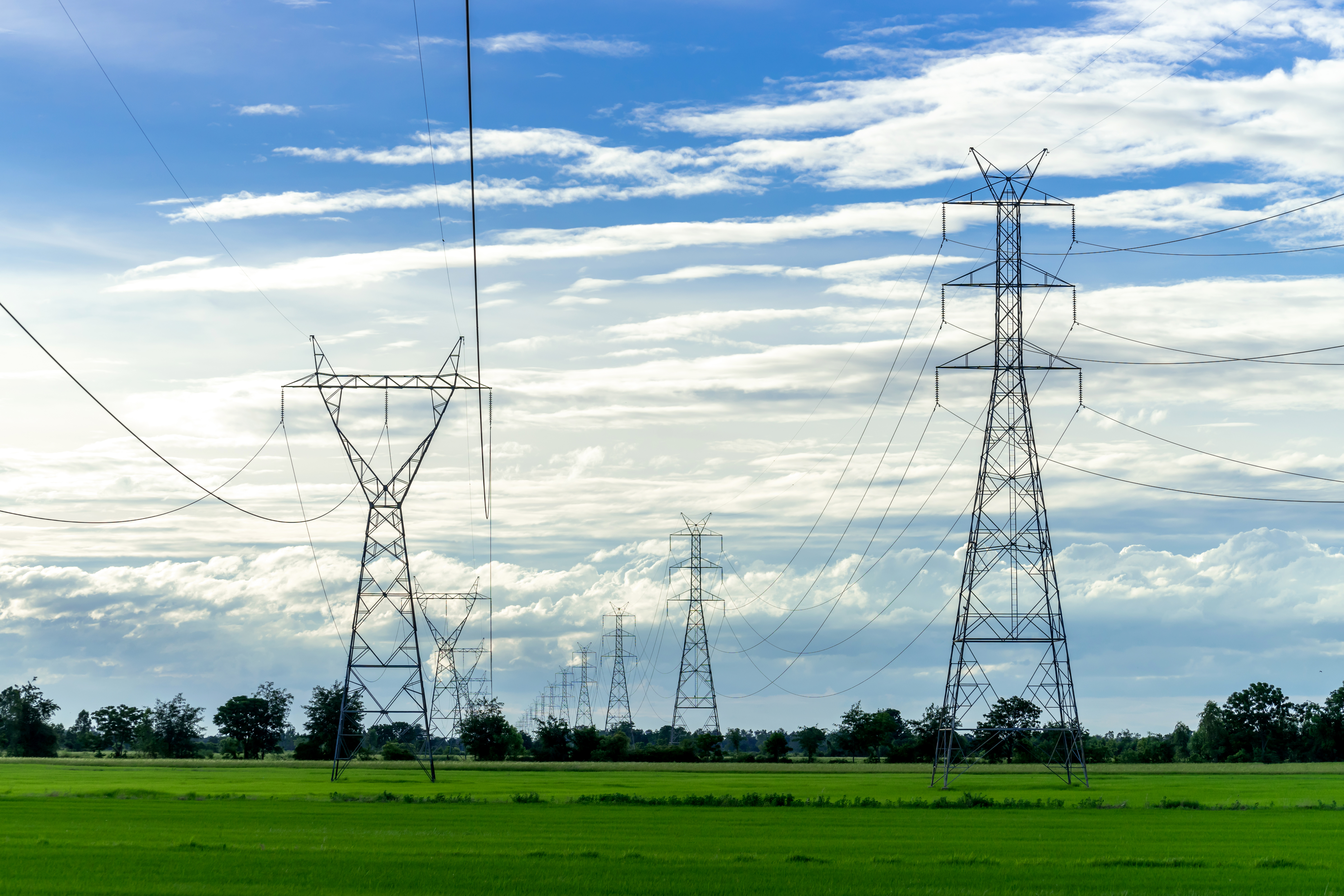
Compare reactive support, switching, conductor, transformer, and operating alternatives before capital decisions are made.
Review this service area →Representative scopes only; confidential client and network information is not published.
How our engineers work →Establish voltage profiles, equipment utilization, losses, and reactive-power performance under normal operating conditions.
Test credible line, transformer, and generation outages to expose thermal, voltage, and reliable-transfer limitations.
Compare reactive support, switching, conductor, transformer, and operating alternatives before capital decisions are made.
Trusted analysis and design platforms, applied by engineers who understand the system behind the model.









Voltage, loading, losses, contingencies, and mitigation—an engineering assessment built for utilities, developers, EPCs, and infrastructure teams that need a defensible path forward.
Confirm the study purpose, system boundary, applicable criteria, scenarios, and required review milestones.
Review the one-line, network case, equipment ratings, operating assumptions, and unresolved data gaps.
Create the agreed base cases, dispatch conditions, contingencies, and sensitivity scenarios.
Evaluate voltage, loading, losses, convergence, and the system response to credible outages.
Test practical mitigation and distinguish immediate requirements from longer-term options.
Issue controlled models and a decision-ready report, then support utility or stakeholder comments.
Start with the current one-line diagram, network model, equipment ratings, load and generation assumptions, operating scenarios, and applicable utility or owner criteria. Include the target review milestone and any known data gaps so the study cases can be scoped correctly.
EGridSync uses PSS®E, PSCAD, ETAP, DIgSILENT PowerFactory, EasyPower, SKM, and Cyme, depending on the study or design type required.
Yes. We review topology, equipment ratings, control modes, dispatch, convergence, assumptions, study cases, and methodology. We then provide a prioritized gap register and recommendations before any model updates are made.
Yes. We support technical comment responses, controlled model and report revisions, sensitivity analysis, and follow-up questions from the utility or project stakeholders. The final scope can include a response log and coordination support through review closure.
A load flow study evaluates steady-state voltage, equipment loading, reactive-power performance, losses, convergence, and system behavior under defined operating conditions. It can also test credible contingencies and mitigation options.
Yes. The study can establish base-case and contingency performance, identify network constraints, and provide technical inputs for an interconnection submission. The cases and criteria are aligned to the applicable utility or market requirements.
The schedule depends on network complexity, data quality, study cases, utility requirements, and review cycles. We confirm the required inputs, milestones, and deliverables during scoping.
Typical deliverables include a validated study case, documented assumptions and criteria, voltage and loading results, a violation register, mitigation analysis, and a decision-ready technical report. Controlled model updates and review support can be included.
Contingency analysis tests defined outages such as line, transformer, or generation loss against the applicable reliability criteria. The results show thermal, voltage, transfer, or convergence constraints that may require mitigation.
Involve an engineer before major design or interconnection milestones so data gaps, study cases, and review criteria are identified early. Early review reduces late model changes and helps the team make defensible network decisions.