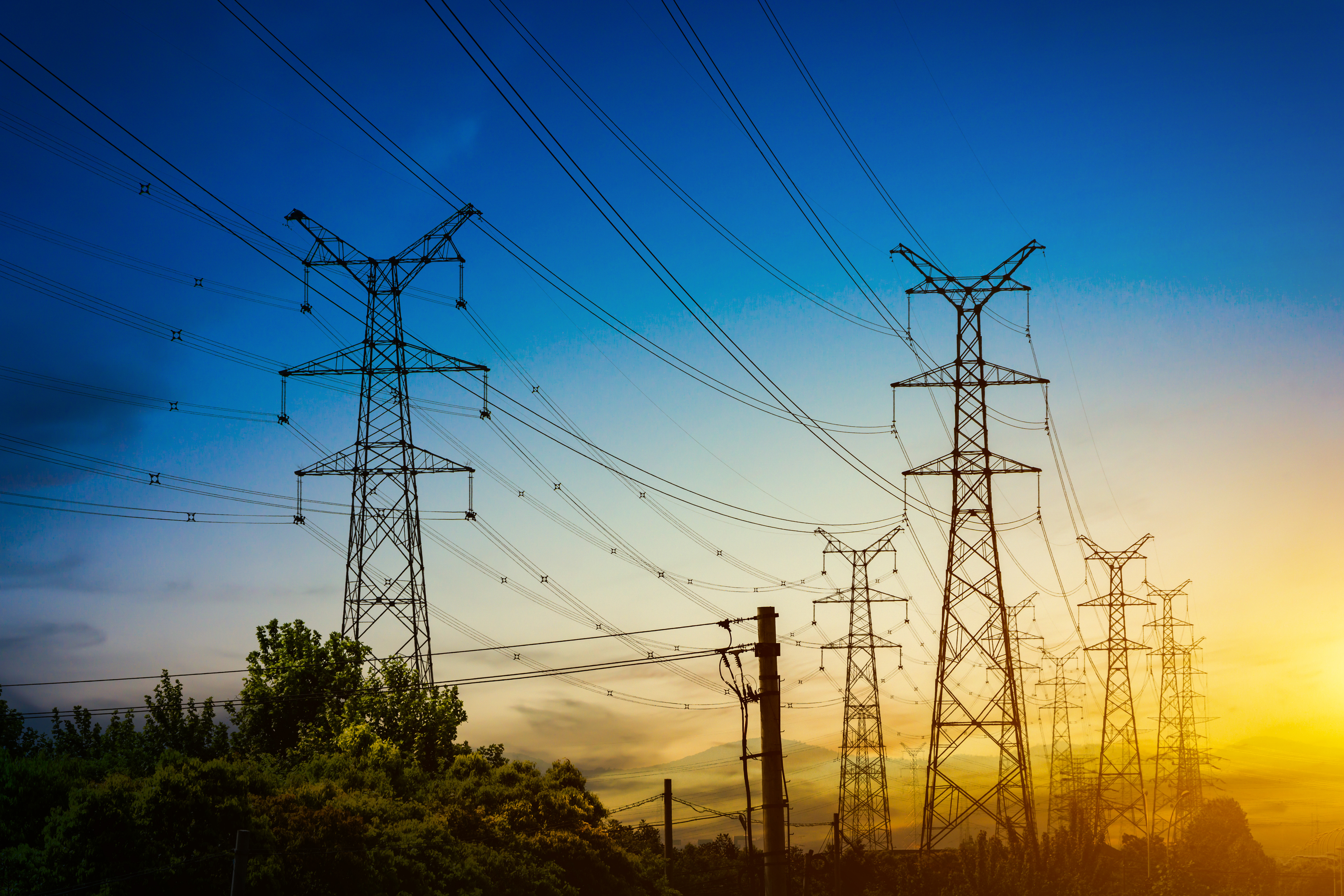

Steady-state performance
Bus voltages and equipment loading under normal and contingency conditions. Identifies violations before they become construction change orders.
Review this service area →Load flow, fault, stability, protection, and power quality analysis for utilities, renewable developers, EPCs, and large-load projects. Modelled in the platform your reviewing authority requires.
Load flow, fault, stability, protection, and power quality analysis for utilities, renewable developers, EPCs, and large-load projects. Modelled in the platform your reviewing authority requires.
Bus voltages and equipment loading under normal and contingency conditions. Identifies violations before they become construction change orders.
Review this service area →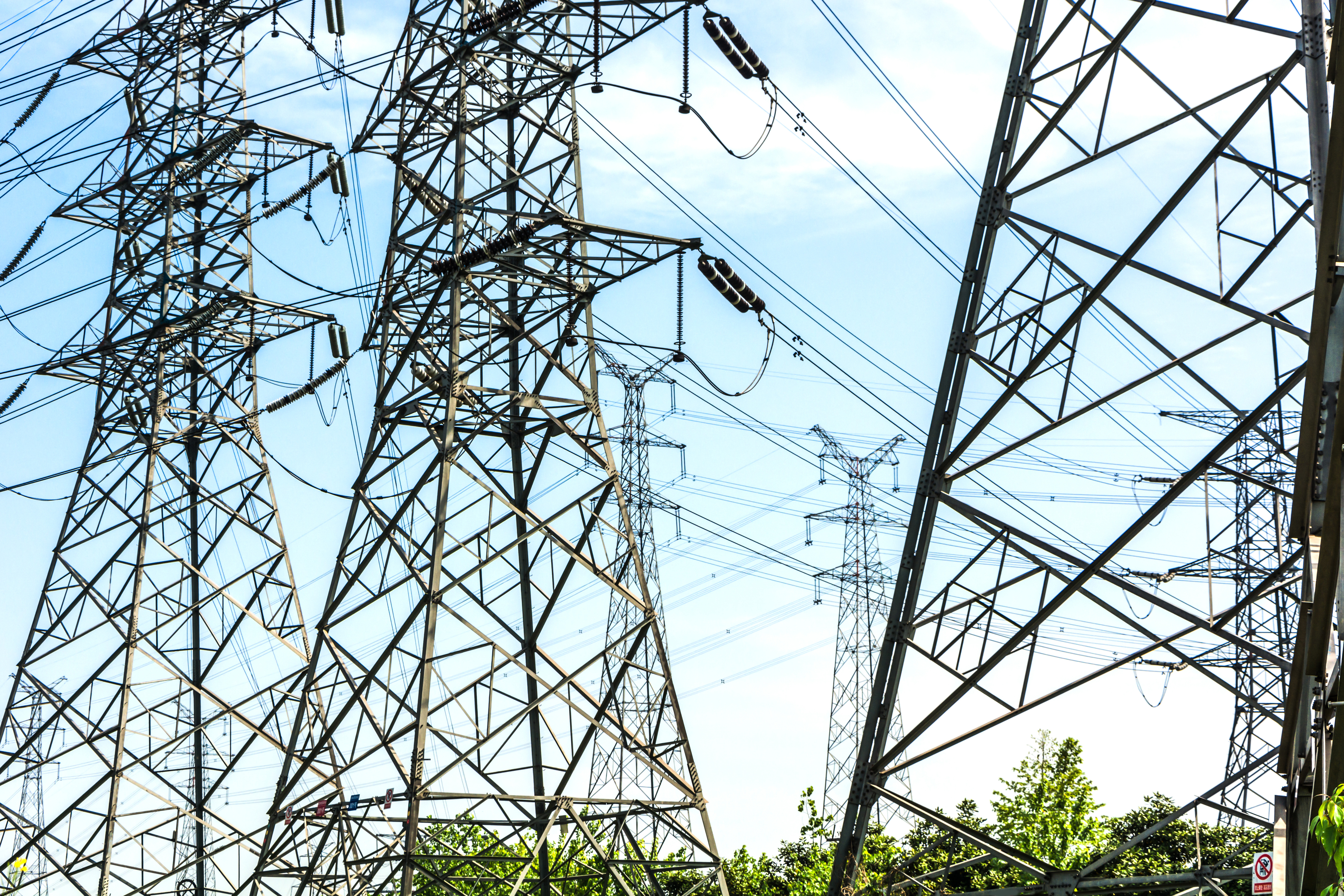
Available fault current at every bus, checked against breaker interrupting ratings and equipment withstand.
Review this service area →
How the system responds to disturbances: voltage ride-through, frequency response, and control interaction.
Review this service area →Utilities, renewable developers, EPCs, and large-load owners all need the same thing: a model they can defend when the project gets reviewed.
How our engineers work →Bus voltages and equipment loading under normal and contingency conditions. Identifies violations before they become construction change orders.
Available fault current at every bus, checked against breaker interrupting ratings and equipment withstand.
How the system responds to disturbances: voltage ride-through, frequency response, and control interaction.
Trusted analysis and design platforms, applied by engineers who understand the system behind the model.









Load flow, fault, stability, protection, and power quality analysis for utilities, renewable developers, EPCs, and large-load projects. Modelled in the platform your reviewing authority requires.
One-line, source impedance, transformer nameplate, cable data, load data, inverter and plant controller settings.
Convergence, topology check against the current one-line, and a sanity check on every assumption. Documented, not assumed.
Base case, contingencies, and the specific scenarios the reviewing authority requires.
Violations listed with severity, plus the options to resolve them and what each costs.
Decision-ready report, native model file, and response to utility or ISO comments where included in the agreed scope.
A power system study is an engineering analysis that models an electrical network to predict how it behaves under defined conditions. The family includes load flow, short circuit, protection coordination, arc flash, stability, and harmonic analysis.
It depends on what triggered the requirement. A new industrial facility typically needs load flow, short circuit, protection coordination, and arc flash. A generator interconnection needs load flow, short circuit, stability, and increasingly a PSCAD electromagnetic transient study.
PSS®E, PSCAD, ETAP, DIgSILENT PowerFactory, EasyPower, SKM, and Cyme. Platform choice usually follows the reviewing authority.
Utilities and ISOs generally expect the study to reflect the system as it exists at the time of submission, including recently approved projects in the queue ahead of you.
Yes. Model review is a common standalone engagement — topology check against the current one-line, transformer impedance and tap verification against nameplate, load data sanity check, source equivalent currency, and solution quality.
Yes, and it’s part of the engagement rather than a change order. Comments are addressed individually in a response matrix showing the model change made and the updated result.